2026-11-10 · Tony Vitale
How to Prevent Pipe Bursts in Yonkers Older Homes During Winter Freezes
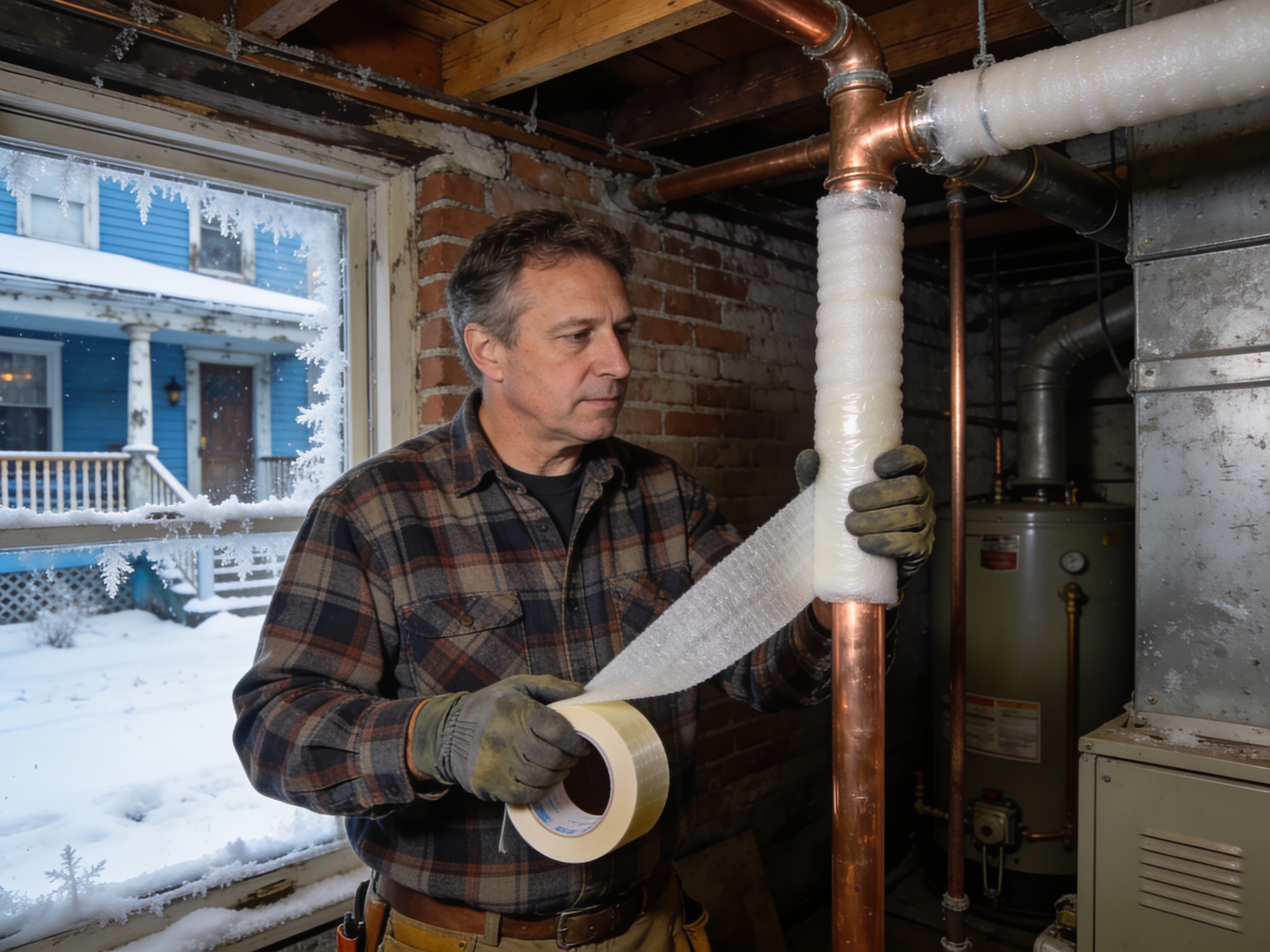
Yonkers older homes in neighborhoods such as Getty Square and Nodine Hill often see pipe bursts when overnight temperatures drop below freezing for multiple nights in a row during the cold winters typical of this humid subtropical climate. Keeping a steady indoor temperature above 55 degrees and allowing faucets to drip slowly in the coldest rooms cuts the chance of ice expansion in supply lines by addressing the most common failure points in pre-1950s construction.
Identifying Vulnerable Pipes in Yonkers Homes
Older homes throughout Westchester County, including those near the Yonkers Waterfront and Philips Manor Hall, frequently have exposed pipes in basements, crawl spaces, and exterior walls that lack modern insulation. These lines, often made of galvanized steel or copper installed decades ago, lose heat quickly when winter winds sweep in from the Hudson River. Homeowners in Riverdale and nearby Hastings on Hudson should check for pipes running along uninsulated exterior walls or in attics where temperatures can fall fastest. Adding foam sleeves rated for at least R-3 insulation around these sections prevents the rapid heat loss that leads to ice formation. Pay special attention to pipes feeding outdoor spigots and those passing through vented crawl spaces common in Nodine Hill properties.
Daily Habits That Reduce Freeze Risk
Maintaining consistent heat is the most direct way to avoid bursts in homes built before central heating upgrades became standard. Set thermostats no lower than 55 degrees even when away during the day, and open cabinet doors under sinks to let warm air reach pipes in kitchens and bathrooms. In homes near Untermyer Park or Yonkers Raceway, where many structures date to the early 1900s, running a slow trickle from both hot and cold faucets on the coldest nights keeps water moving and reduces pressure buildup from expanding ice. Disconnect garden hoses from exterior spigots before the first hard freeze and drain the lines to eliminate standing water that can freeze and split fittings.
When to Call for Professional Water Damage Restoration
If a pipe does burst, quick response limits secondary damage in older plaster and lath walls common in Downtown Yonkers. Water Damage Restoration teams familiar with Westchester County housing stock can extract water before it saturates subfloors or reaches electrical systems. For smaller incidents that still require targeted repairs, Water Damage Repair addresses isolated leaks without full-scale drying equipment. Homeowners in areas like the Bronx or Hastings on Hudson often see hidden damage spread through slab foundations, making early detection critical. Learn more about spotting these issues in the related guide What Yonkers Homeowners Should Know About Hidden Water Leaks in Slab Foundations.
Seasonal Preparation Timeline for Local Homes
Begin preparations in late fall before sustained freezes hit Yonkers. Inspect attic and basement pipes by mid-October, seal gaps around exterior wall penetrations with expanding foam, and consider heat tape on the most exposed lines in homes near the Yonkers Waterfront. Test shut-off valves at the main and individual fixtures so they turn fully without excessive force, a common problem in older stock. If any valve feels stuck or leaks during testing, replace it before winter arrives rather than during an emergency. These steps, performed on a schedule, protect properties across Getty Square and adjacent neighborhoods where cold air pools in low-lying terrain.