2026-11-10 · Tony Vitale
Steps to Dry Out a Basement After Heavy Spring Rains in Yonkers
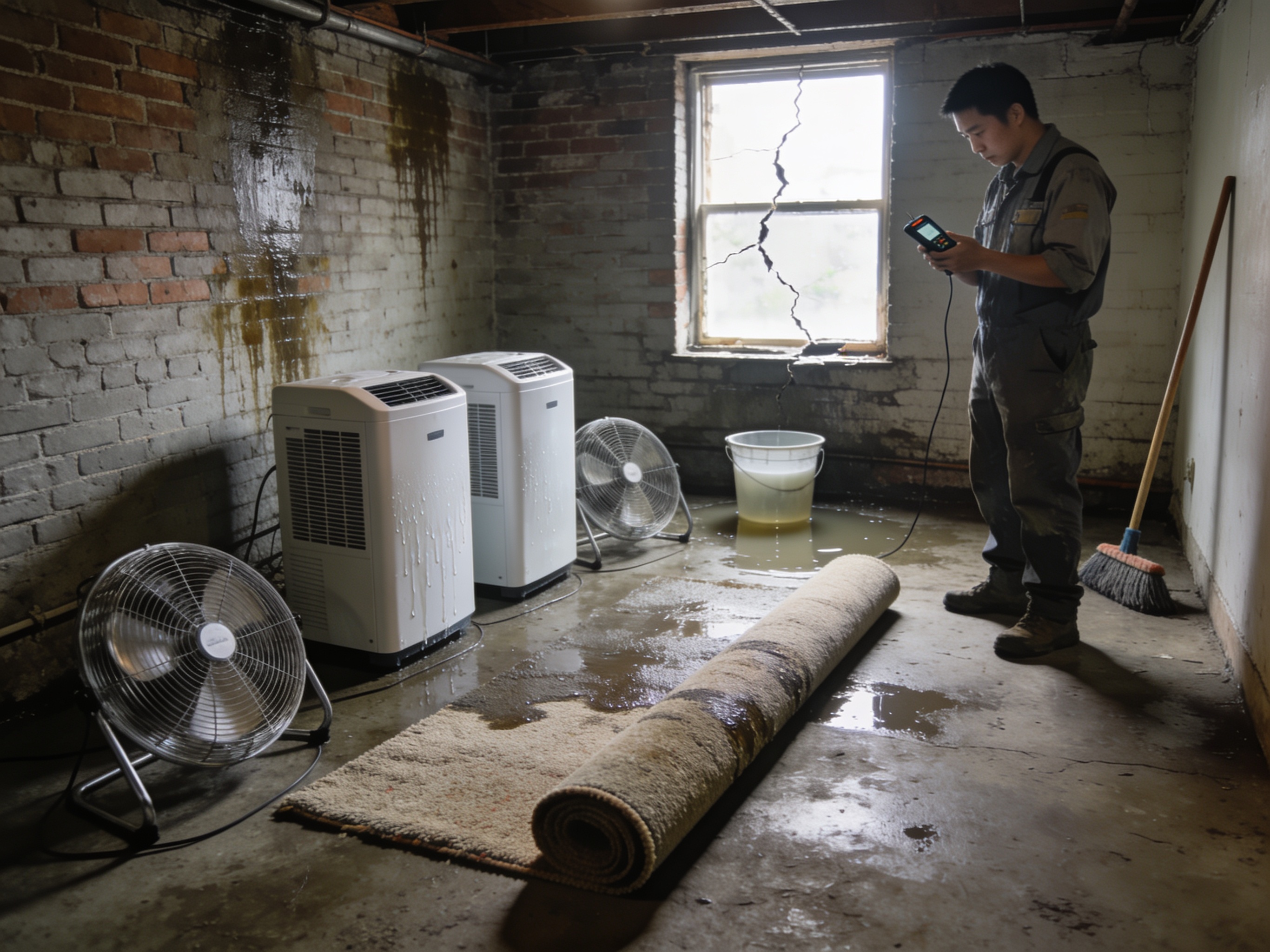
Drying out a basement after heavy spring rains in Yonkers usually requires 4 to 8 days of active work when starting with extraction and dehumidification right away, though homes near the Yonkers Waterfront or in Nodine Hill can take longer because of higher groundwater and older foundations.
Assess Water Intrusion Points
Walk through the basement and check walls, floors, and sump areas for water entry after spring downpours common in Westchester County's humid subtropical climate. In neighborhoods like Downtown Yonkers and Getty Square, many homes built before 1950 have stone or brick foundations that absorb moisture more readily than newer concrete. Look for stains at least 12 inches above the floor and note any odors that signal trapped dampness. Measure humidity with a meter aiming for under 50 percent before declaring the space dry. Homes closer to Riverdale or near Hastings-on-Hudson often face additional runoff from slopes, so inspect exterior grading around the foundation for at least 6 feet outward. Document every affected section with photos to guide later drying equipment placement.
Extract Standing Water and Debris
Use a wet vac or submersible pump to remove any pooled water within the first 24 hours to limit mold growth that thrives in warm spring temperatures. In older Getty Square properties, basements may hold 2 to 4 inches of water against uneven floors, requiring multiple passes and disposal of saturated carpet or drywall up to 18 inches high. Place fans on the floor level to move air across wet surfaces rather than just overhead. If water reached electrical outlets, shut off power at the panel before extraction. Properties in Philips Manor Hall historic districts often have limited access points, so plan equipment staging carefully to avoid damaging original woodwork.
Improve Airflow and Apply Dehumidification
Position industrial dehumidifiers rated for at least 70 pints per day in the center of the space and run them continuously while monitoring collection tanks every 12 hours. Pair them with air movers angled at 45 degrees toward walls to evaporate moisture from plaster and joists typical in Yonkers homes near Untermyer Park. Open windows on dry days when outdoor humidity drops below 60 percent, but close them during the frequent afternoon showers of spring. In basements with low ceilings under 7 feet, stack fans vertically to reach upper wall sections. Check moisture readings in wood beams daily until they stabilize below 12 percent. For persistent dampness after these steps, review Water Damage Restoration options that address hidden saturation in slab edges.
Monitor for Secondary Issues and Final Drying
Continue checking for efflorescence on concrete walls and musty smells for up to two weeks after initial drying, especially in Nodine Hill homes where soil retains water longer. Wipe down exposed surfaces with a 1:10 bleach solution only after all standing water is gone. Place moisture meters in multiple spots including behind appliances and in corners near the Yonkers Raceway area where vibration can crack older seals. If readings remain above 60 percent after 7 days, consider professional extraction services listed under Water Damage Repair. Prevent future spring problems by reviewing How to Prevent Pipe Bursts in Yonkers Older Homes During Winter Freezes and sealing exterior cracks before the next season.
Prepare for Professional Follow-Up if Needed
When DIY drying stalls in larger or multi-level basements common near the Bronx border, contact a local team that understands Westchester County soil and rainfall patterns. They can deploy larger desiccant units that pull moisture from deep within masonry faster than consumer models. Keep records of all steps taken for insurance purposes, noting exact dates and equipment used. This approach protects homes in Riverdale and surrounding areas from recurring issues tied to the region's cold winters and heavy spring rains.